SOTSIL
‹
›
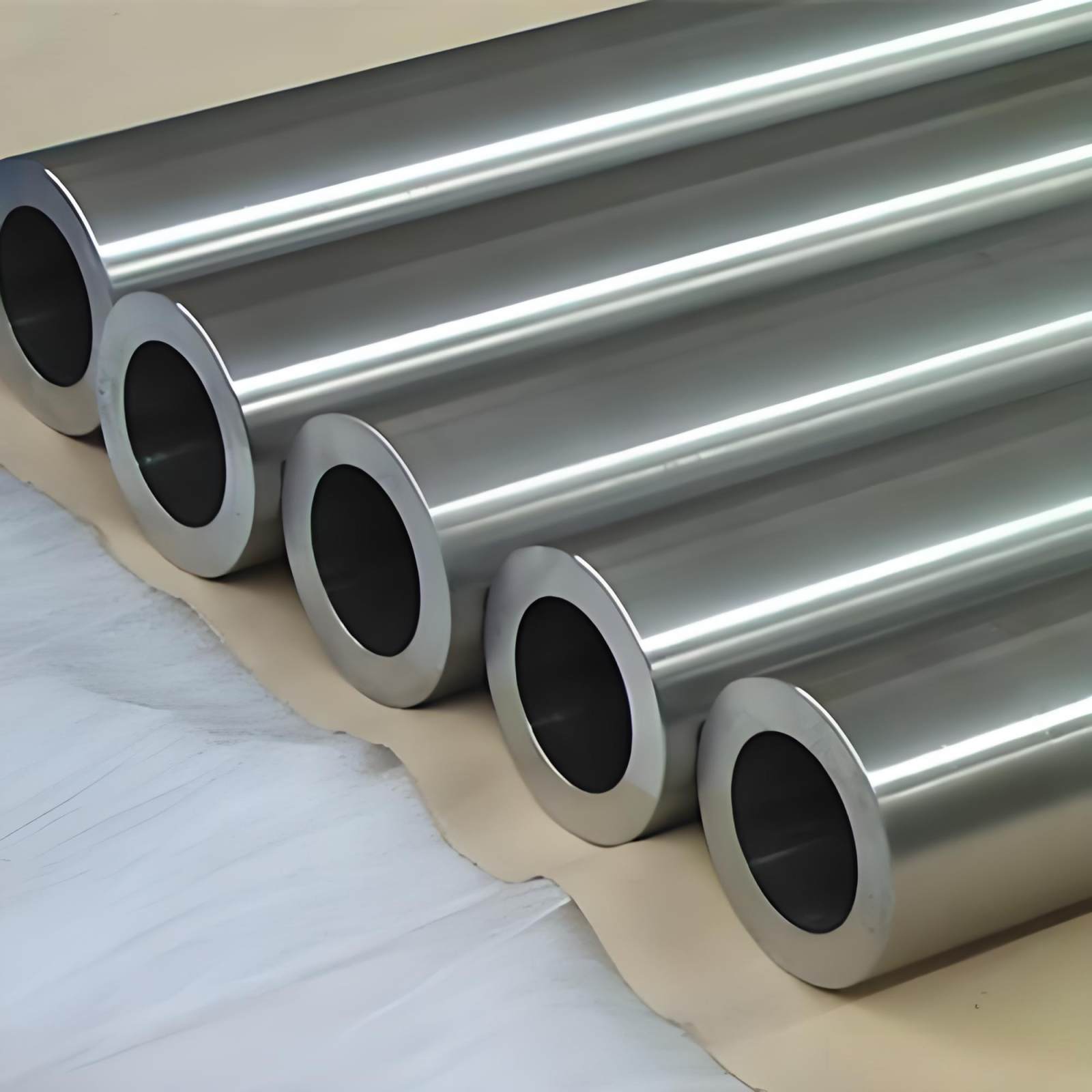
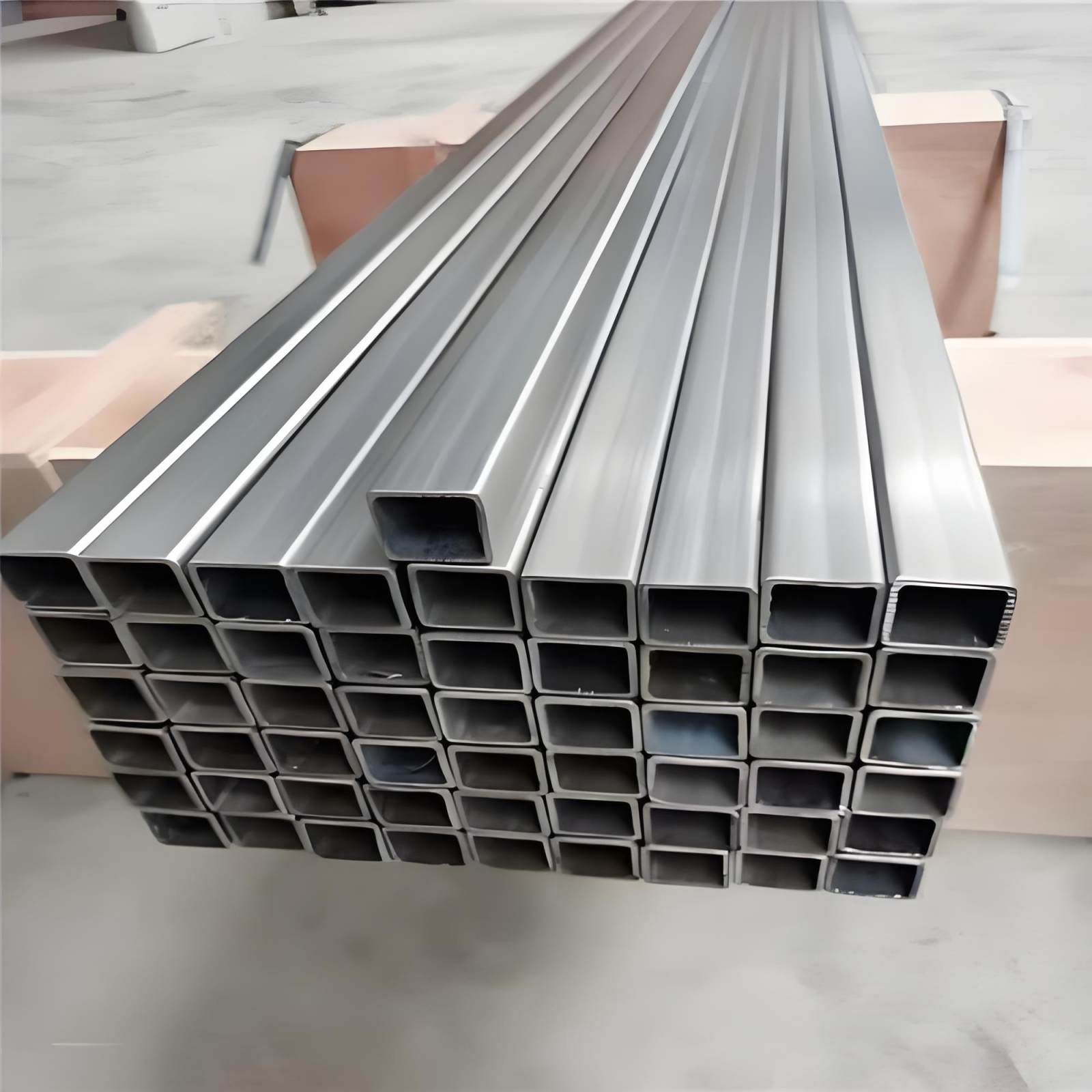
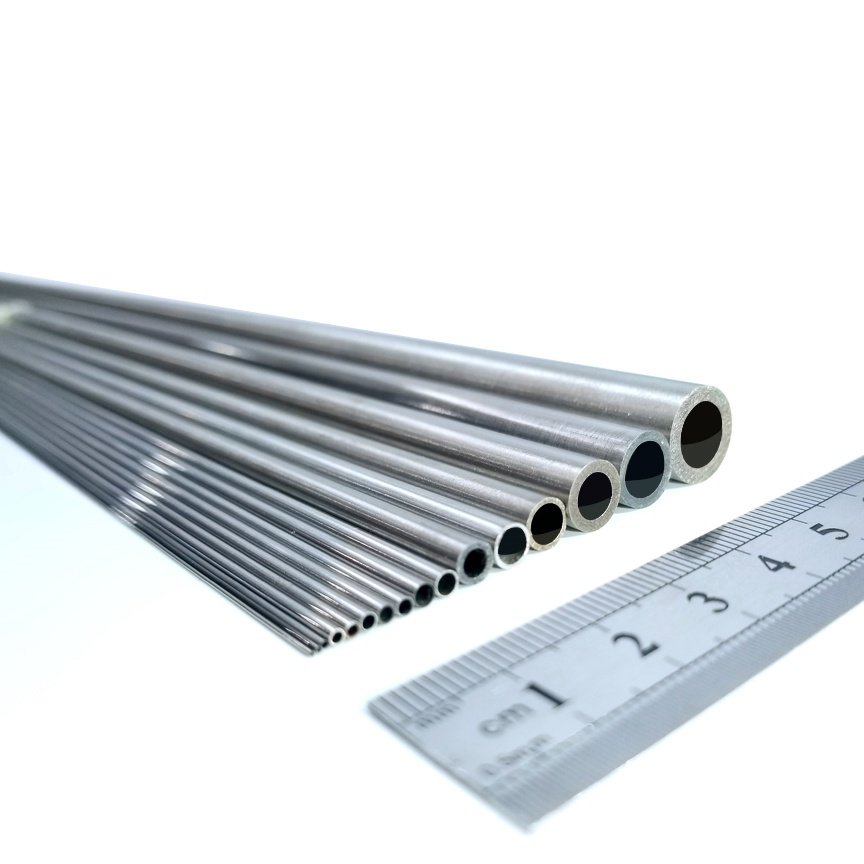
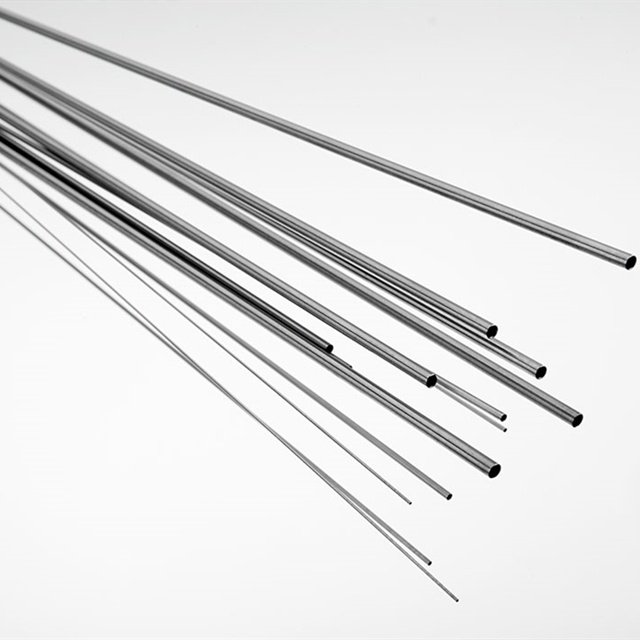
Grade: GR1, GR2, GR2H, GR5, GR7, GR7H, GR9, GR12
Standard: ASTM B337, ASTM B338, ASTM B861, ASTM B862, AMS 4943, AMS 4944, AMS4945
Dimension: DIA 8.0 ~1000mm, L ≤11000mm
Products Properties & Applications
Applications:
Heat exchange equipment such as shell-and-tube heat exchangers, coil heat exchangers, serpentine tube heat exchangers, condensers, evaporators, and transmission pipelines. Titanium tubes are widely used as standard tubing in many nuclear power plants.
Characteristics:
1.Titanium tubes have good plasticity.
The elongation of high-purity titanium tubes can reach 50–60%, and the reduction of area can reach 70–80%. Although high-purity titanium tubes have relatively low strength, the presence of small amounts of impurities and alloying elements in commercially pure titanium can significantly enhance its mechanical properties, making its strength comparable to high-strength materials. In other words, as long as a small amount of interstitial and metallic impurities is present, industrial pure titanium tubes can achieve both high strength and appropriate plasticity.
2.High specific strength.
The specific strength (strength-to-weight ratio) of commercially pure titanium tubes is very high among structural metals. Their strength is comparable to steel, while their weight is only about 57% of steel.
3.Excellent heat resistance.
Titanium tubes maintain good strength and stability even at temperatures around 500°C.
4.Good low-temperature performance.
Titanium tubes also exhibit excellent performance at low temperatures. Even at ultra-low temperatures of -250°C, they retain high impact strength and can withstand high pressure and vibration.
5.Outstanding corrosion resistance.
Titanium has a strong affinity for oxygen, allowing it to form a dense oxide film on its surface, which protects it from corrosion by various media. Therefore, titanium shows excellent stability in acidic, alkaline, neutral salt solutions, and oxidizing environments, outperforming stainless steel and other non-ferrous metals in corrosion resistance.
Leave A Message
If you are interested in our products and want to know more details, please leave a message here, we will reply you as soon as we can.