SOTSIL
‹
›
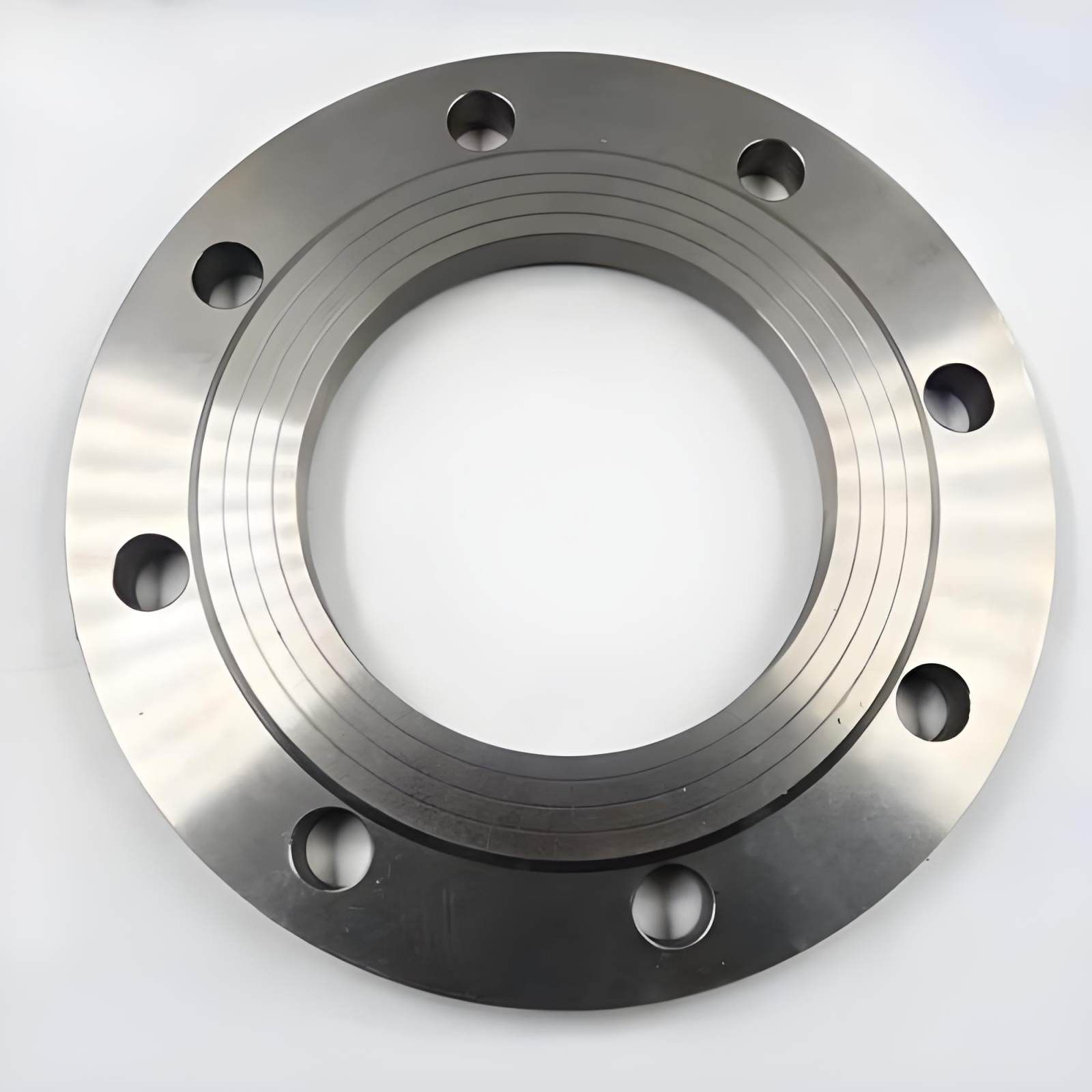
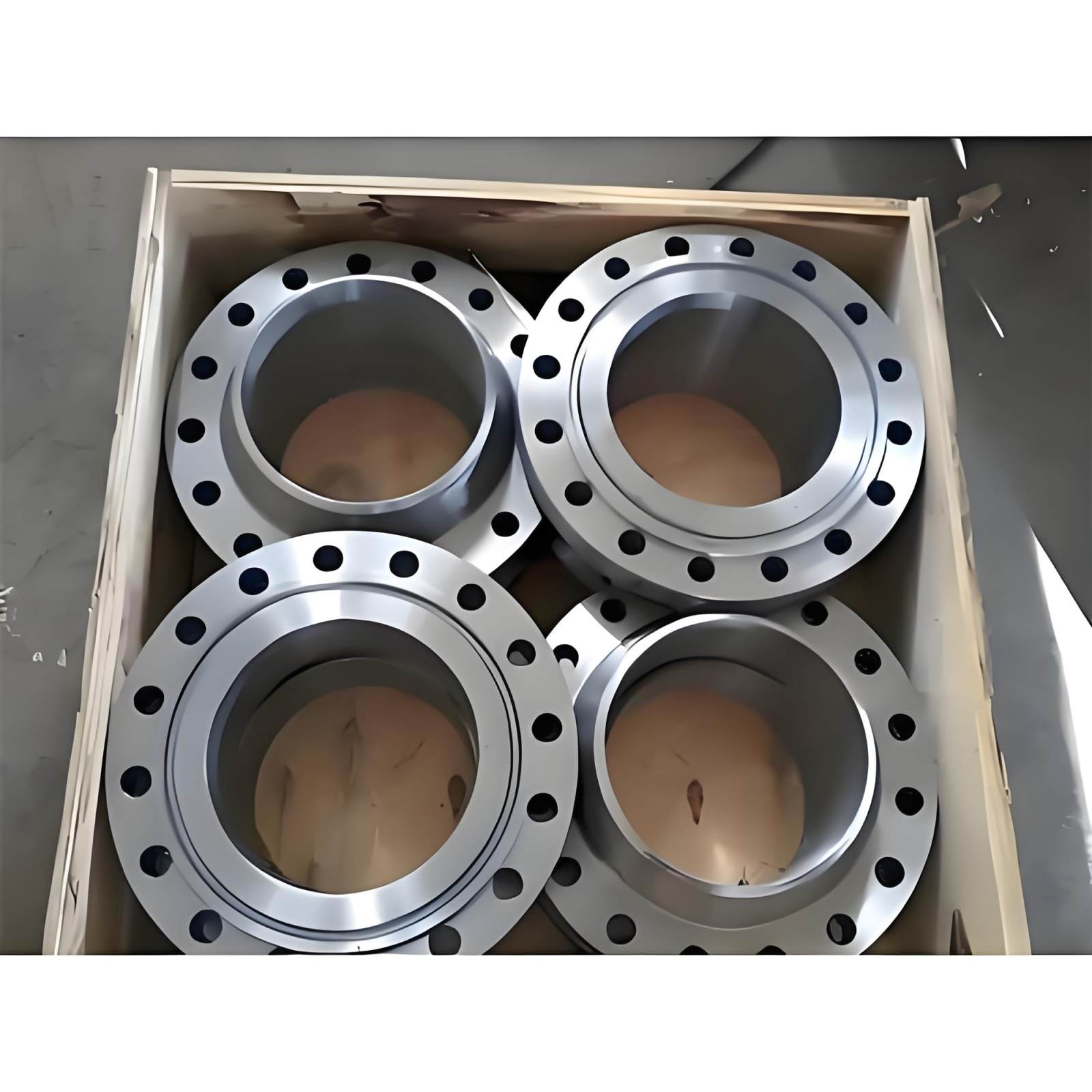
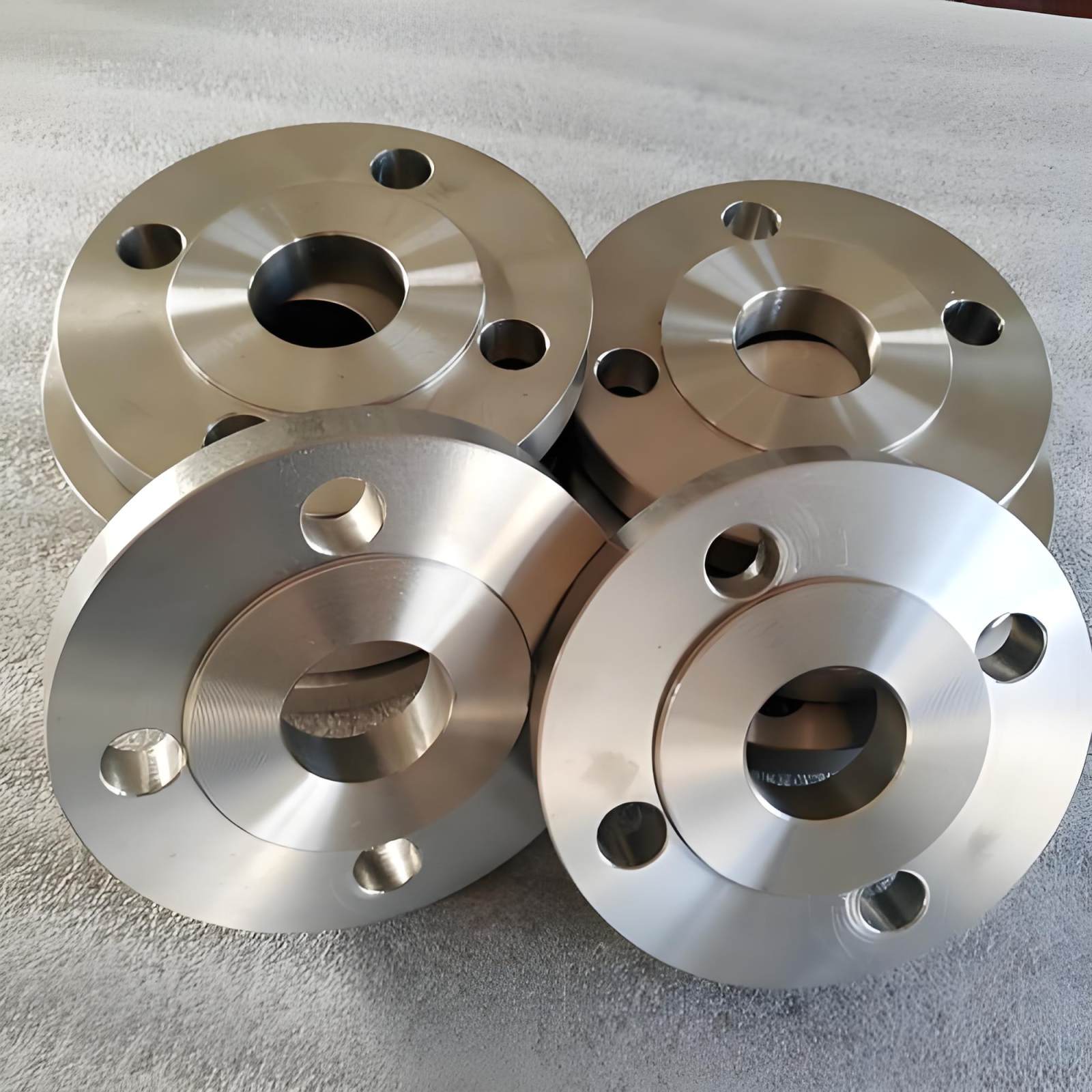
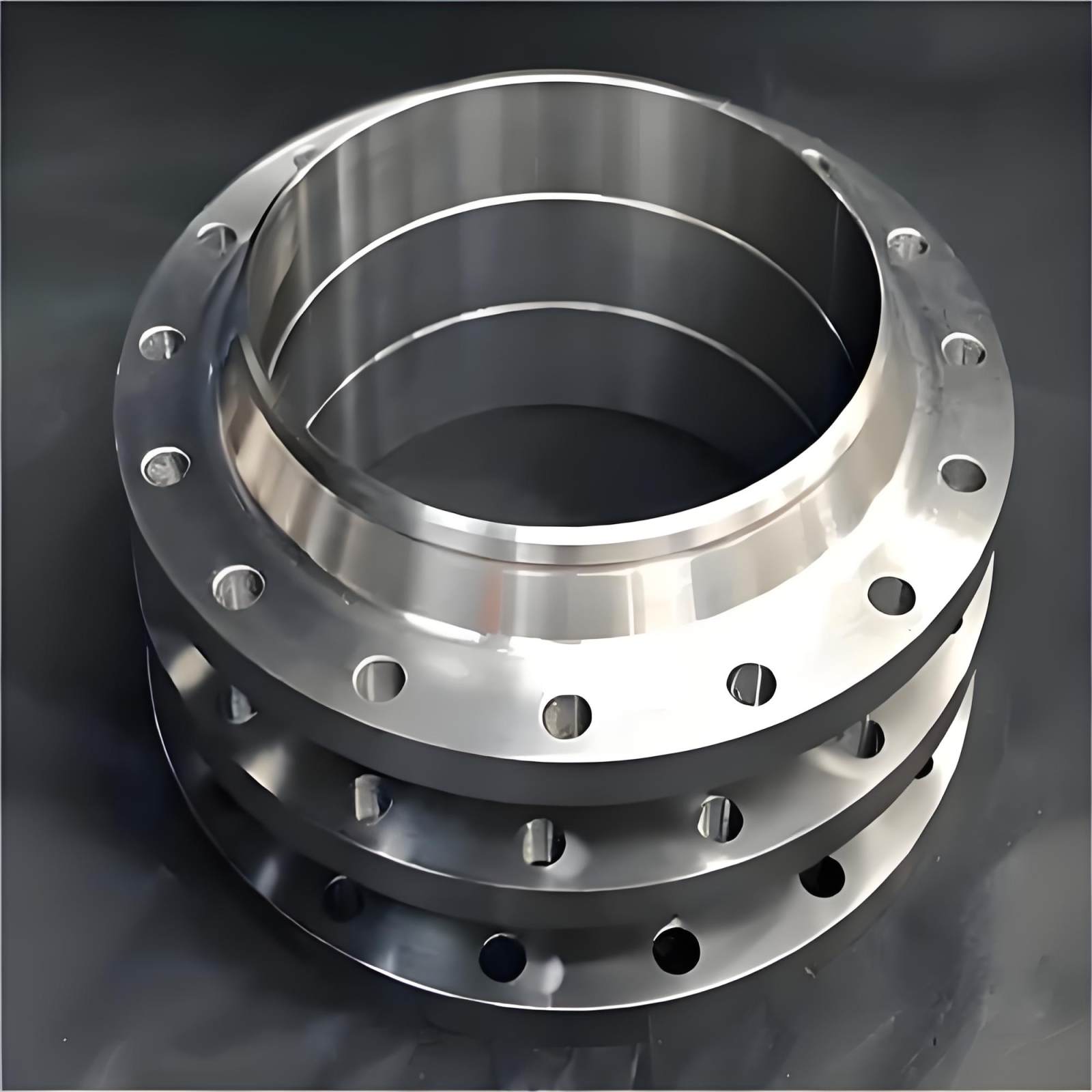
Type: Welding Neck, Slip-On, Threaded, Blind, Socket Weld, Lap-Joint
Surface: FF, RF, TG, RJ, MFM
Size: 1/2"~ 60"NB NPS1/2 - NPS24 (DN10 ~ 2000)
Pressure Class: 150#, 250#, 300#, 400#, 500#, 600#, 900#, 1500#, 2500#
Grade: GR 1, GR 2, GR 5, GR 7, GR 9, GR 12
Standard: ANSI B16.5, ASTM B16.5, ASME B16.47, DIN2627-2628, ASTM A182, ASME SA182 & GOST
Products Properties & Applications
Titanium flanges are an essential component in many industries, known for their strength, resistance to corrosion, and ability to withstand high temperatures. They are used to connect pipes, valves, pumps, and other equipment in various systems. The main advantages of titanium flanges are their excellent corrosion resistance (especially in aggressive environments like seawater or chemicals), high strength-to-weight ratio, and durability. Below are some common applications of titanium flanges across different industries:
1. Chemical Processing Industry
Corrosive Chemical Systems: Titanium flanges are used extensively in the chemical processing industry to connect pipes and vessels handling highly corrosive chemicals, such as acids, bases, and solvents. The flanges provide a reliable, leak-free connection, preventing corrosion from aggressive substances.
Acid and Alkaline Solutions: In plants dealing with strong acids (e.g., sulfuric acid, hydrochloric acid) or alkaline solutions, titanium flanges offer exceptional resistance, helping to avoid degradation in piping systems.
2. Marine Industry
Seawater Systems: Titanium flanges are commonly used in marine applications, including seawater pipelines and cooling systems. Titanium’s resistance to saltwater corrosion ensures the integrity of the system and extends the service life of equipment exposed to seawater.
Offshore Platforms and Subsea Equipment: In offshore oil rigs and subsea systems, titanium flanges are used in critical components like pumps, compressors, and flowlines. These systems must withstand harsh ocean conditions, and titanium's ability to resist corrosion in marine environments is crucial.
3. Aerospace Industry
Aircraft and Spacecraft Components: Titanium flanges are used in the aerospace industry, particularly in aircraft fuel lines, hydraulic systems, and engine components. Titanium’s high strength-to-weight ratio helps reduce the overall weight of aircraft while maintaining structural integrity, which is critical for performance and fuel efficiency.
Rocketry: In space exploration, titanium flanges are used in rocket systems, fuel tanks, and cooling lines due to their strength at high temperatures and ability to resist the extreme conditions found in space missions.
4. Power Generation
Nuclear Power Plants: Titanium flanges are used in nuclear power plants for connecting piping systems in heat exchangers, cooling systems, and reactors. Titanium’s resistance to both radiation and corrosion makes it ideal for the harsh and highly controlled environments of nuclear reactors.
Thermal and Hydroelectric Plants: In power plants, titanium flanges are used for their strength and resistance to high temperatures and corrosive fluids. They are used in piping systems carrying steam, water, or other high-temperature fluids.
5. Oil and Gas Industry
Oil Refining and Gas Extraction: Titanium flanges are used in the oil and gas industry for high-pressure and high-temperature applications, such as refineries, offshore platforms, and pipeline systems. Their ability to resist corrosion from sour gas, oil, and brine makes them ideal for maintaining the integrity of oil and gas extraction equipment.
Subsea Pipelines: Titanium flanges are employed in subsea pipeline systems where corrosion from seawater is a significant concern. Titanium ensures reliable connections in subsea flowlines, risers, and other critical equipment.
6. Food and Beverage Industry
Food Processing Equipment: Titanium flanges are used in food and beverage processing plants, where they help connect pipes and valves in sanitary systems. Titanium’s non-reactive properties ensure that it won’t affect the taste, quality, or safety of the food or beverage products being processed.
Dairy and Brewing Systems: In dairy plants and breweries, titanium flanges are used in equipment for milk, beer, and other liquid handling due to their ability to resist corrosion, prevent contamination, and withstand frequent cleaning.
7. Water Treatment
Desalination Plants: Titanium flanges are used in desalination plants for the treatment of seawater to make it potable. Titanium’s corrosion resistance in saline environments ensures that the flanges can handle the constant exposure to seawater without degrading.
Wastewater Treatment: Titanium flanges are also used in wastewater treatment plants, where they provide reliable, corrosion-resistant connections in systems that treat harsh chemicals and polluted water.
8. Medical Industry
Medical Equipment: Titanium flanges are used in medical equipment, particularly in systems that involve high-pressure fluids or gases. Their biocompatibility, corrosion resistance, and strength make them ideal for use in medical applications, such as in sterilization or high-pressure gas systems.
Implants and Surgical Devices: Titanium flanges are sometimes used in surgical equipment or implants due to titanium’s ability to resist corrosion in body fluids and its compatibility with human tissue.
9. Automotive Industry
Exhaust Systems: Titanium flanges are used in high-performance automotive exhaust systems, particularly in racing cars, where weight reduction and heat resistance are essential. Titanium’s lightweight properties help reduce the overall weight of the vehicle without compromising on strength.
High-Performance Vehicles: In sports cars and motorcycles, titanium flanges are used for various engine components and exhaust systems to improve performance, reduce weight, and increase the system’s resistance to heat and corrosion.
10. Pharmaceutical and Biotechnology
Sterile Processing Systems: In pharmaceutical and biotechnology manufacturing, titanium flanges are used in systems that require high levels of cleanliness and sterility. Their resistance to contamination and corrosion ensures that the systems remain safe and effective for drug production and research.
Bioreactors: Titanium flanges are used in bioreactors for cell culture and fermentation processes, where they help maintain sterile environments and prevent corrosion from aggressive chemicals used in the production process
Leave A Message
If you are interested in our products and want to know more details, please leave a message here, we will reply you as soon as we can.