SOTSIL
‹
›
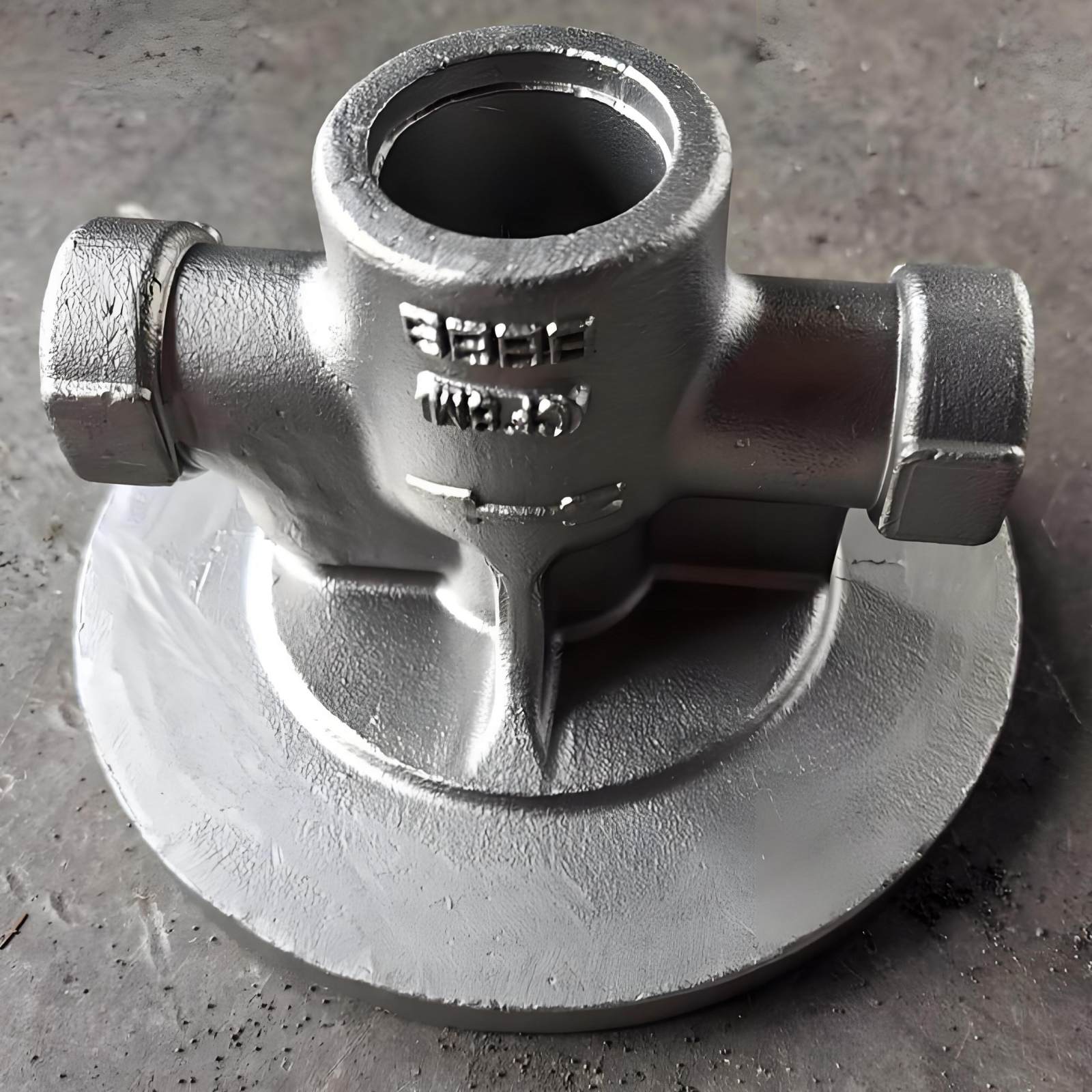
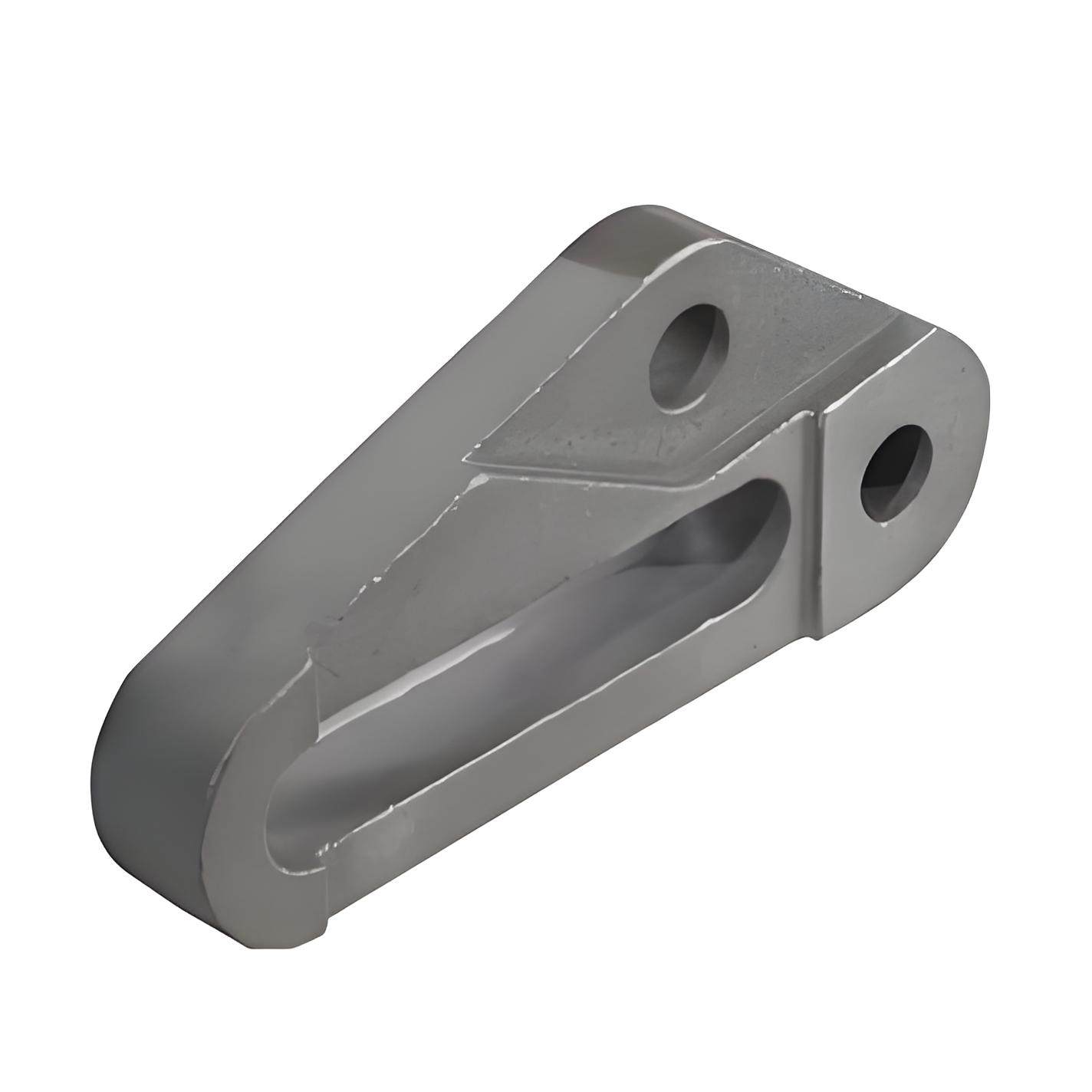
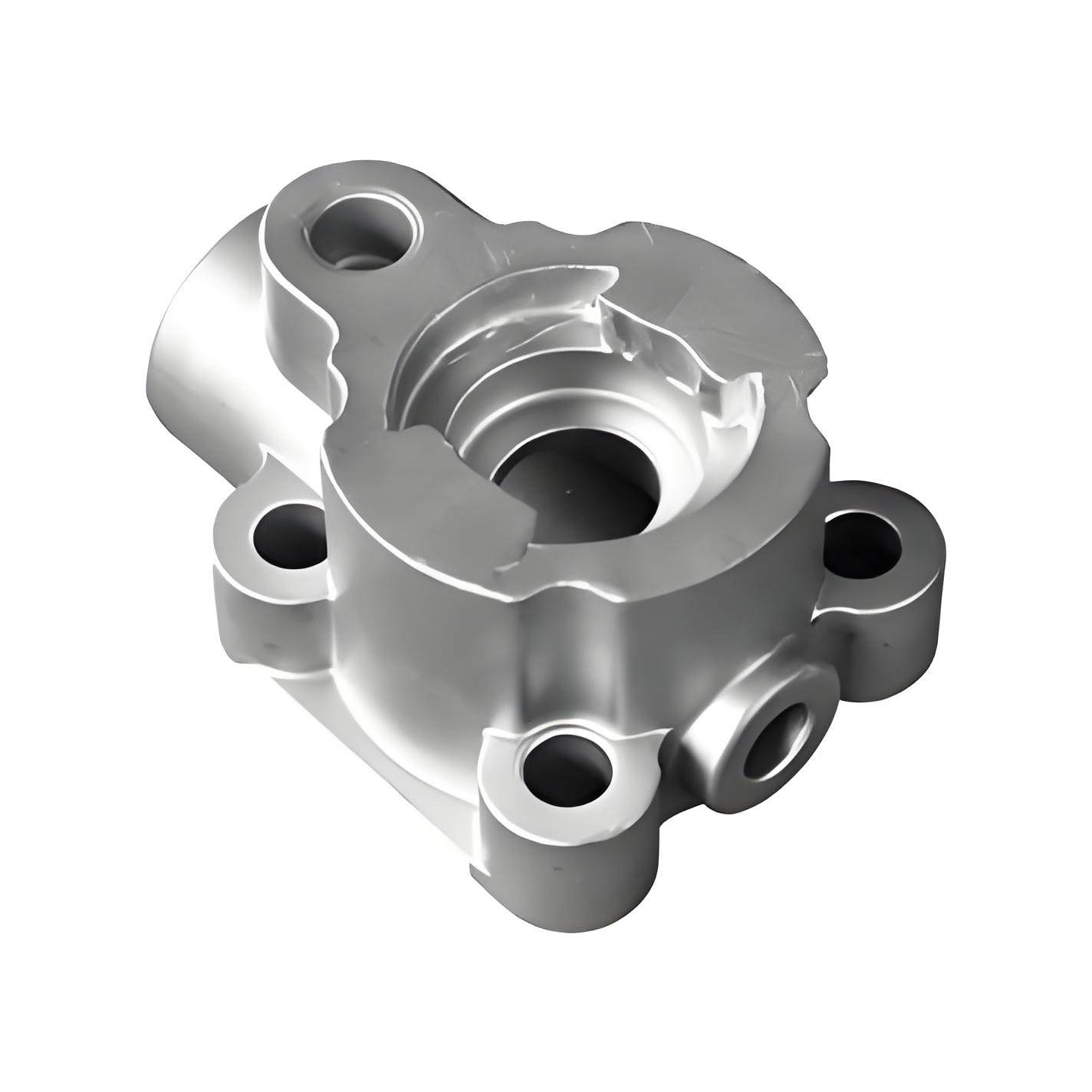
Grade: Grade 1, Grade 2, Grade 3, Grade 5
Standard: ASTM B367, AMS 4991C
Weight: ≥10 gram
Min. Casting Wall Thickness: 0.5 mm
Surface Roughness: Ra 3.2 ~ 6.3 μm
Wax Injection: Manual; semi-automated; fully automated wax injection machines
Casting Machine: Vacuum skull furnace
Casting Type: Centrifugal casting
Heat Treatment: Hot Isostaic Pressing (HIP)
Surface: Polished, sand blasting and electroplating coloring
Application: Dental implants, jewelry, valves, sport tools etc.
Products Properties & Applications
Investment casting is a versatile process used with a variety of materials to create intricate components with a smooth surface finish. Due to the highly reactive nature of titanium, investment casting with this metal requires modifications to the overall process. Titanium investment casting follows these basic steps:
1. A pattern of the desired part is created from easily melted wax or resin.
2. The pattern is coated with multiple layers of a temperature resistant ceramic. in a temperature resistant material, usually ceramic. For titanium investment casting, standard ceramic molds are not viable, as melted titanium will react with the ceramic. Therefore, the mold used for titanium must be made from special ceramics, such as zirconium oxide or yttrium oxide.
3. Once the ceramic shell mold is complete, the wax is melted and drained, leaving a hollow mold.
Titanium is melted using induction or arc melting processes in a water cooled copper crucible in a specialized heating apparatus that prevents exposure to other elements, especially nitrogen and oxygen.
4. The melted titanium is poured into the ceramic mold. Centrifugal processes aid in the filling of thin walls.
5 The titanium freezes into a solid upon contact with the ceramic mold, thereby creating the desired component.
Properties & Advantages of Titanium Castings:
Lightweight Strength: It exhibits the highest strength-to-density ratio of any metal, for lightweight strength and durability.
Corrosion Resistance: When exposed to oxygen, titanium reacts, creating a thin layer of titanium oxide on the surface of the metal. This layer protects the titanium surface from corrosion and rust that could affect other metals such as steel and aluminum.
Durability: Titanium is extremely durable, so it is more resistant to wear and tear, and enhances the service life of equipment in which it is used.
Temperature Resistance: Titanium has an extremely high melting point, and exhibits minimal creep when exposed to temperature fluctuations. This makes it particularly valuable for aerospace and indu
Leave A Message
If you are interested in our products and want to know more details, please leave a message here, we will reply you as soon as we can.